
Framing Ideas, Building Impact: Alec Konstantin on Leadership and Justice
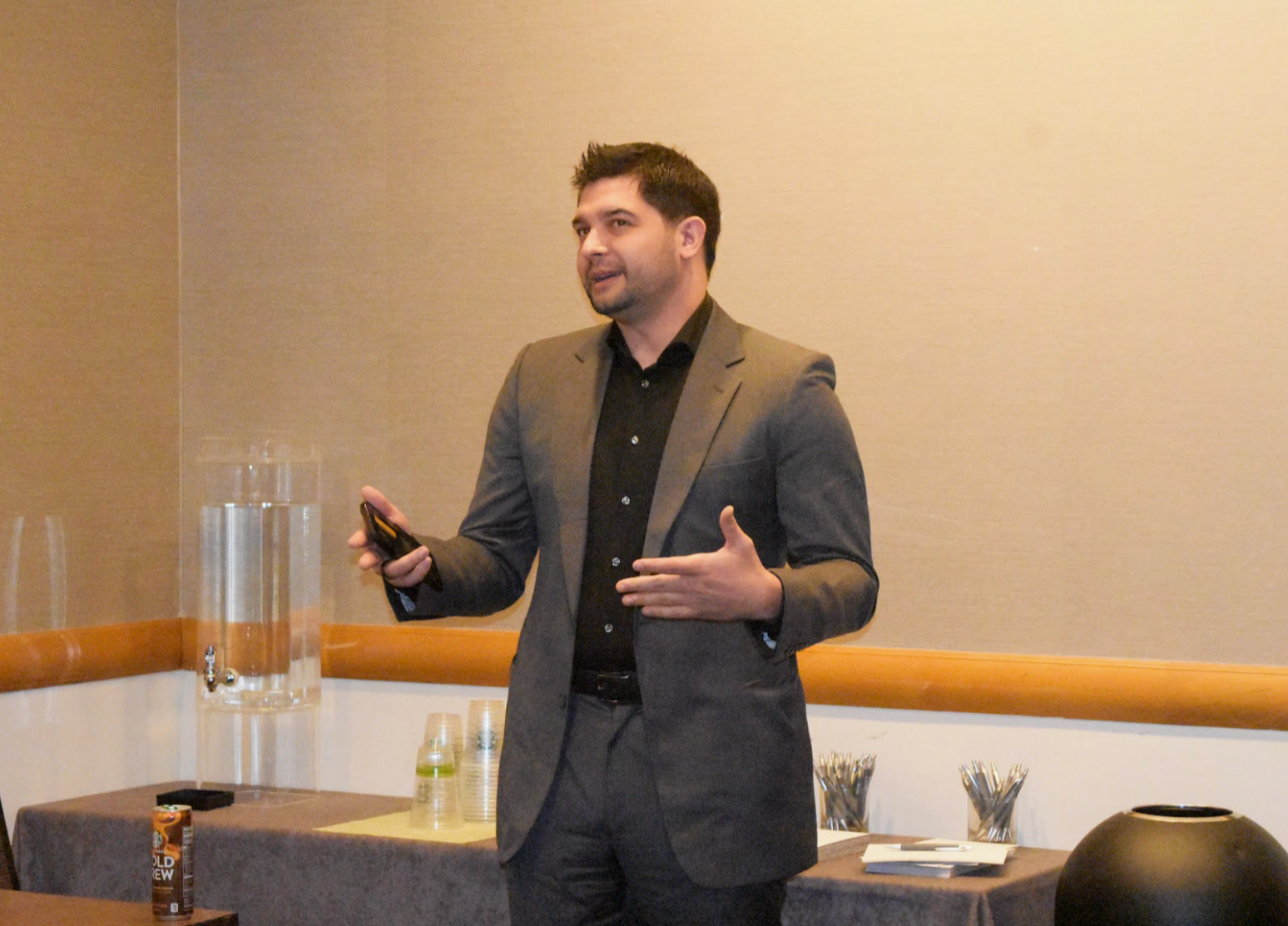
Alec Konstantin, COO of Sanford Heisler Sharp McKnight, leading an executive workshop
Alec Konstantin, Chief Operating Officer at Sanford Heisler Sharp McKnight, spoke at Business Today’s 51st International Conference about law and leadership. He emphasized a key point: “People won’t see the picture until you put it in the right frame.” For him, framing is essential, not just decorative, as it enables action on complex ideas and commitments.
Konstantin describes his role as working “at the intersection of a lot of things.” He splits his time between teams, vendors, and projects related to AI, marketing, and business development. In all of these, he focuses on “refining what we’ve previously done and seeing if there [is] a better way to do it.” He added, "I don’t try to live in this complacent state; I try to challenge myself to review what we built and say, okay, but how do we iterate on this?"
Sanford Heisler Sharp McKnight, he explained, is “rooted in advancing the public good and empowering those who might otherwise remain voiceless.” The firm pursues discrimination, wage, and high-impact sexual assault cases under new civil window statutes, giving survivors a chance to be heard after years of silence and challenging systems that ignored their experiences. Internally, the firm promotes “a high level of collegiality and respect for one another,” and, as Konstantin put it, they “really care about how people treat other people.”
On innovation, he stressed inclusion and alignment. “I invite anybody at the firm to share their ideas on how to make things better,” he said. As COO, he is “the gatekeeper for a lot of ‘does this align with the rest of the firm?’” He finds one tool simple and effective: “The easiest way that I have found to get people to tell me their innovation is to just ask them to tell me about what they enjoy doing and what they don’t enjoy doing.” In those conversations, “they will start to spill their ideas [about] what they want to see be different, even if they’re not framing it that way.”
For students and aspiring leaders, Konstantin offered clear advice on how to take up learning confidently: “I don’t need you to be right. I just need you not to be wrong.” Many insights, he noted, come only from experience: “There [are] some things that can only be gained through experiential knowledge”, but this mindset “gives you a longer runway” and helps others see you as someone they can trust.
Ultimately, he returned to framing as a discipline and a responsibility. “The beauty of simplicity is complexity beneath,” he reflected. When we put ideas “in an unfamiliar frame, people question” them; when we use a frame “people already expect or know” and then change the substance, they are “more open to hearing and seeing what it is that is being framed.” For students interested in human rights, immigration, and public interest law, he offers this advice: ideas may already be powerful, but it is important to then focus on the frame that lets others truly see them.